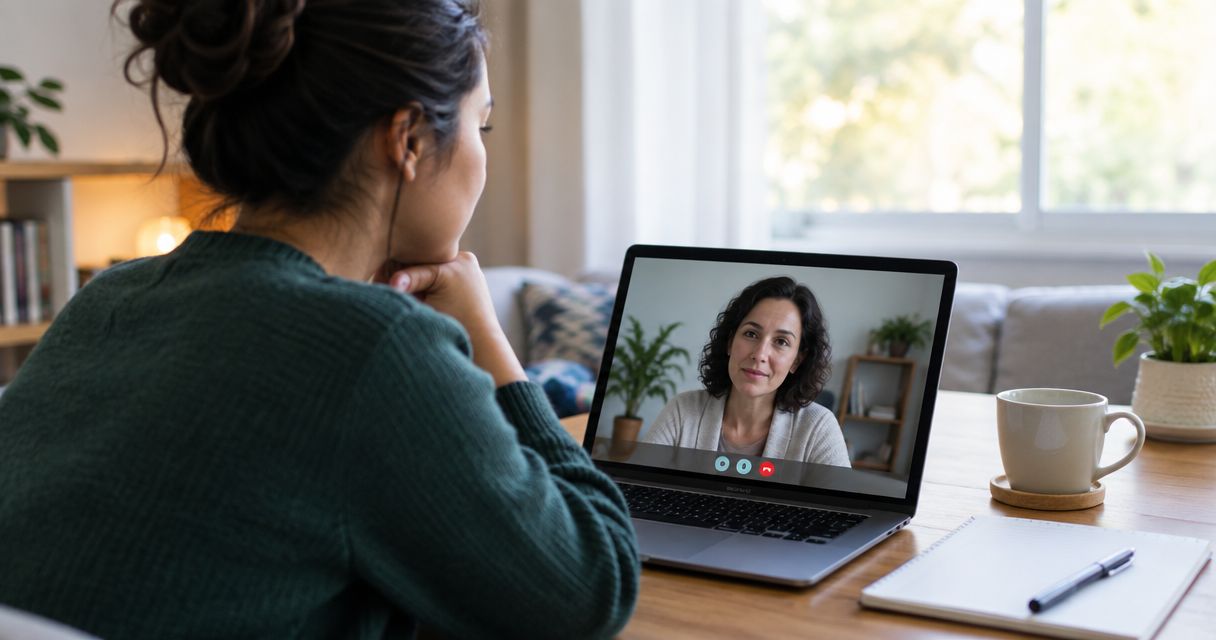
If you're asking whether online therapists in Uganda are licensed and legitimate, the short answer is yes — reputable platforms connect you with therapists who hold real qualifications, though Uganda has no single public database you can check the way you'd verify a doctor through the Uganda Medical and Dental Practitioners Council. The catch is that "therapist" and "counselor" aren't policed as tightly as medical titles, so the burden of checking credentials often falls on you and the platform, not a government registry. This guide covers what licensing actually means for a Ugandan therapist, how to verify one before you book, and the red flags that separate a real professional from someone posing as one online in 2026.
- Licensed Ugandan therapists hold degrees in psychology, counseling or clinical social work — verify credentials before booking any online session in 2026.
- InnerSpark Africa vets therapists before listing them, covering video, voice and chat sessions across Uganda, Kenya and Tanzania.
- Uganda has no single public online registry for therapists, so credential-checking falls on the platform and the client.
- Red flags include vague bios, no mention of training, and no stated confidentiality policy.
Why this matters
Online therapy has grown fast across Uganda since 2022, and demand keeps climbing in 2026 as more students, young professionals and parents look for private support outside a clinic. That growth also brings more apps and individuals calling themselves "therapists" with no real training behind the title.
Unlike medicine, where the Uganda Medical and Dental Practitioners Council enforces licensing, mental health titles in Uganda are used more loosely in practice — which means verifying who you're actually talking to protects your money, your data, and your mental health. InnerSpark Africa connects you with therapists across Uganda, Kenya and Tanzania for video, voice or chat sessions, and vetting who's on the other end of that session is the first thing worth understanding.
Are online therapists in Uganda licensed and legitimate?
A licensed mental health professional in Uganda typically holds a university degree in psychology, counseling, social work or a related clinical field, often paired with supervised practicum hours and, where applicable, registration with a relevant Ugandan professional body. A legitimate platform reviews these credentials — degree certificates, training records, references — before ever listing a therapist for clients to book.
That's a different world from an individual who sets up a WhatsApp line or Instagram page and calls themselves a "life coach" or "therapist" with nothing verifiable behind the label. The table below shows what separates the two.
| Signal | Licensed, vetted therapist | Red flag |
|---|---|---|
| Credentials | Named degree in psychology, counseling or social work | No degree or training mentioned anywhere |
| Platform vetting | Platform reviews credentials before listing the therapist | Anyone can sign up with no background check |
| Confidentiality | States clearly how session data is stored and protected | No mention of privacy or data handling |
| Session structure | Defined formats — video, voice or chat — with clear scope | Vague, unstructured chats with no boundaries |
| Local context | Understands Ugandan languages and cultural context | Generic, unclear, or offshore with no local grounding |
The verdict: a licensed, legitimate online therapist in Uganda is verifiable — you can ask for and confirm training, language, and how confidentiality works before you ever pay for a session.
How to verify a therapist's credentials before you book
Running your own quick check takes a few minutes and beats trusting a badge on a profile page.
- Ask directly what degree and training the therapist holds, and in what field.
- Check whether the platform states its vetting process publicly, not just "licensed" as a marketing word on the homepage.
- Confirm languages spoken and whether the therapist understands local context — relevant if you're in Uganda, Kenya or Tanzania.
- Ask about confidentiality before your first session — how notes are stored, who can access them.
- Start with a single session rather than a long package, and judge fit before committing further.
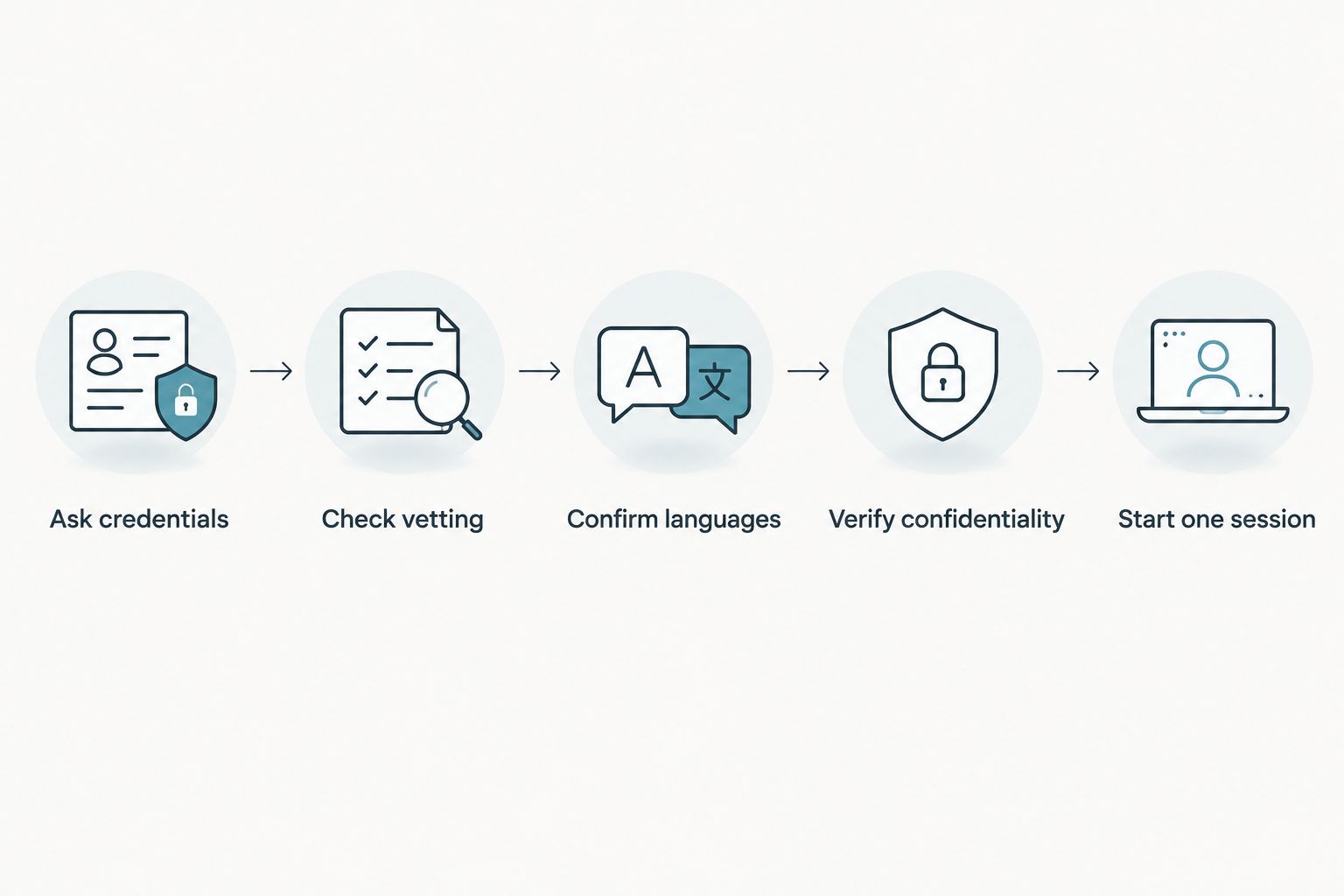
A platform worth trusting won't flinch at these questions — InnerSpark Africa's therapist profiles are built to answer exactly this before you book, not after.
Red flags of an unlicensed or fake online therapist
Watch for these patterns before you hand over any payment details or personal information:
- No named credentials or degree mentioned anywhere on the profile or platform.
- Guarantees a "cure" or promises specific outcomes within a set number of sessions.
- Refuses to answer questions about training, licensing status, or confidentiality.
- Operates only through informal channels — personal WhatsApp, Instagram DMs — with no platform oversight at all.
- Pressures you to pay upfront for many sessions before a first conversation happens.
- Diagnoses serious conditions over chat without ever meeting for a full session.
If you spot two or more of these, treat it as a hard stop rather than a small concern.
Talk to a licensed therapist today
Book a video, voice or chat session with a vetted therapist in about two minutes.
Is online therapy legal in Uganda?
Yes, online therapy is legal in Uganda — there's no law banning remote counseling or therapy delivered by video, voice or chat. What matters is that the person providing it has genuine qualifications, the same standard that should apply to any in-person session.
Can I trust therapy apps in Uganda?
You can trust a therapy app in Uganda once it's confirmed it vets therapist credentials, states a confidentiality policy, and lets you see who you're booking before you pay. Trust comes from that transparency, not from an app simply calling itself "licensed" in its marketing copy.
What's the difference between a therapist, a counselor and a psychologist in Uganda?
A therapist and a counselor generally offer talk-based support for everyday struggles like stress, relationship strain or anxiety, while a psychologist typically holds a more advanced degree and may handle assessment or more complex clinical work. In practice in Uganda the titles overlap, so checking the person's actual training matters more than which label they use.
FAQ
Are online therapists in Uganda licensed?
Yes, legitimate platforms in Uganda connect you with therapists holding real qualifications in psychology, counseling or social work, though there's no single public registry for it. Verify credentials directly with the platform before booking.
How much does online therapy cost in Uganda?
Cost depends on the therapist and session format you choose, and current pricing is listed directly on the platform's booking page. Compare session types before committing to a package.
Can I do therapy in my own language in Uganda?
Yes, many online therapists in Uganda speak local languages alongside English. Ask a platform to match you with someone who understands your language and cultural context.
Is online therapy confidential in Uganda?
Yes, a legitimate online therapy platform keeps sessions private and states how it protects your information. Ask about confidentiality specifics before your first booking.
Can teenagers use online therapy in Uganda?
Yes, but a parent or guardian typically needs to arrange sessions for a minor. Confirm the platform's policy on client age before booking for a teenager.
What payment methods work for online therapy in Uganda?
Most online therapy platforms in Uganda accept Mobile Money and card payments. This makes sessions accessible without needing a traditional bank account.
How do I book an online therapist in Uganda?
You book an online therapist in Uganda by choosing a therapist's profile on a platform, picking video, voice or chat, and confirming a time slot. On InnerSpark Africa, this process takes about two minutes.
One last thing
The word "licensed" on a profile matters less than what's underneath it. The strongest signal in 2026 isn't a badge or a claim — it's whether a platform will show you specifics before you pay: a named degree field, stated languages, and a clear confidentiality policy. If a provider can't answer those three questions plainly, keep looking rather than booking.