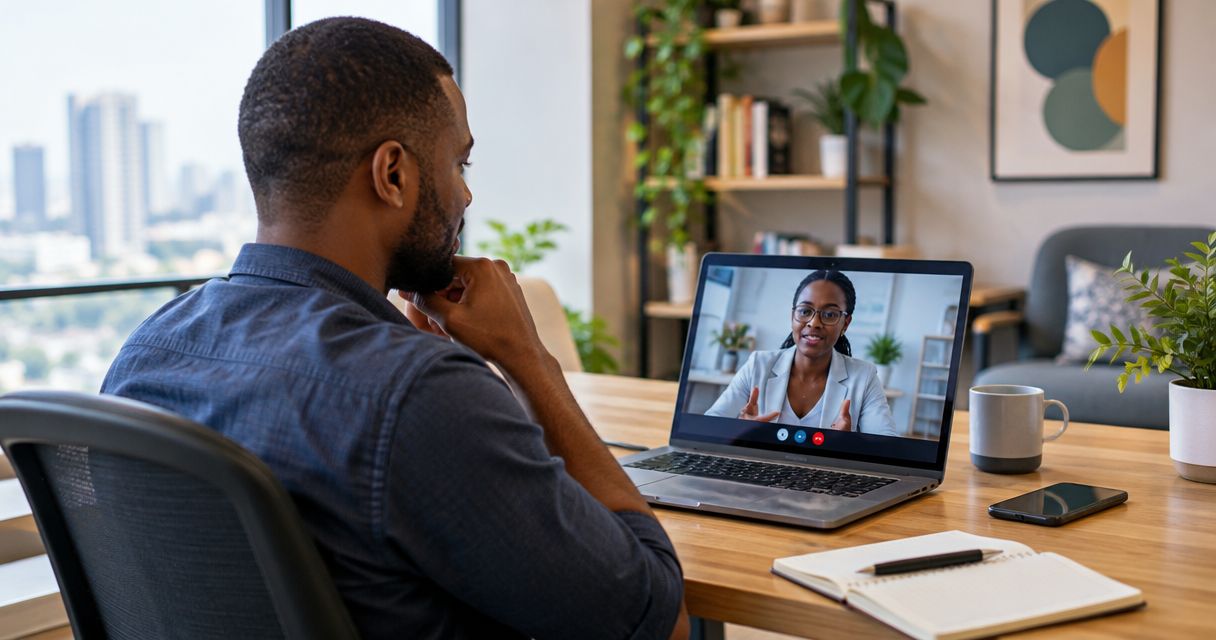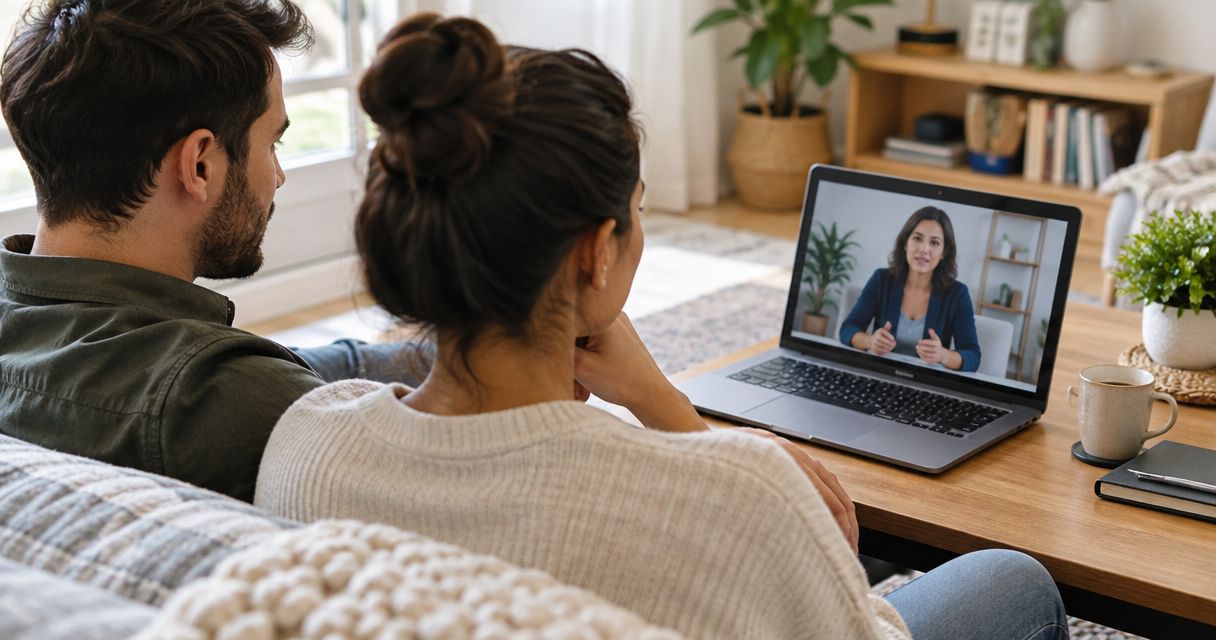
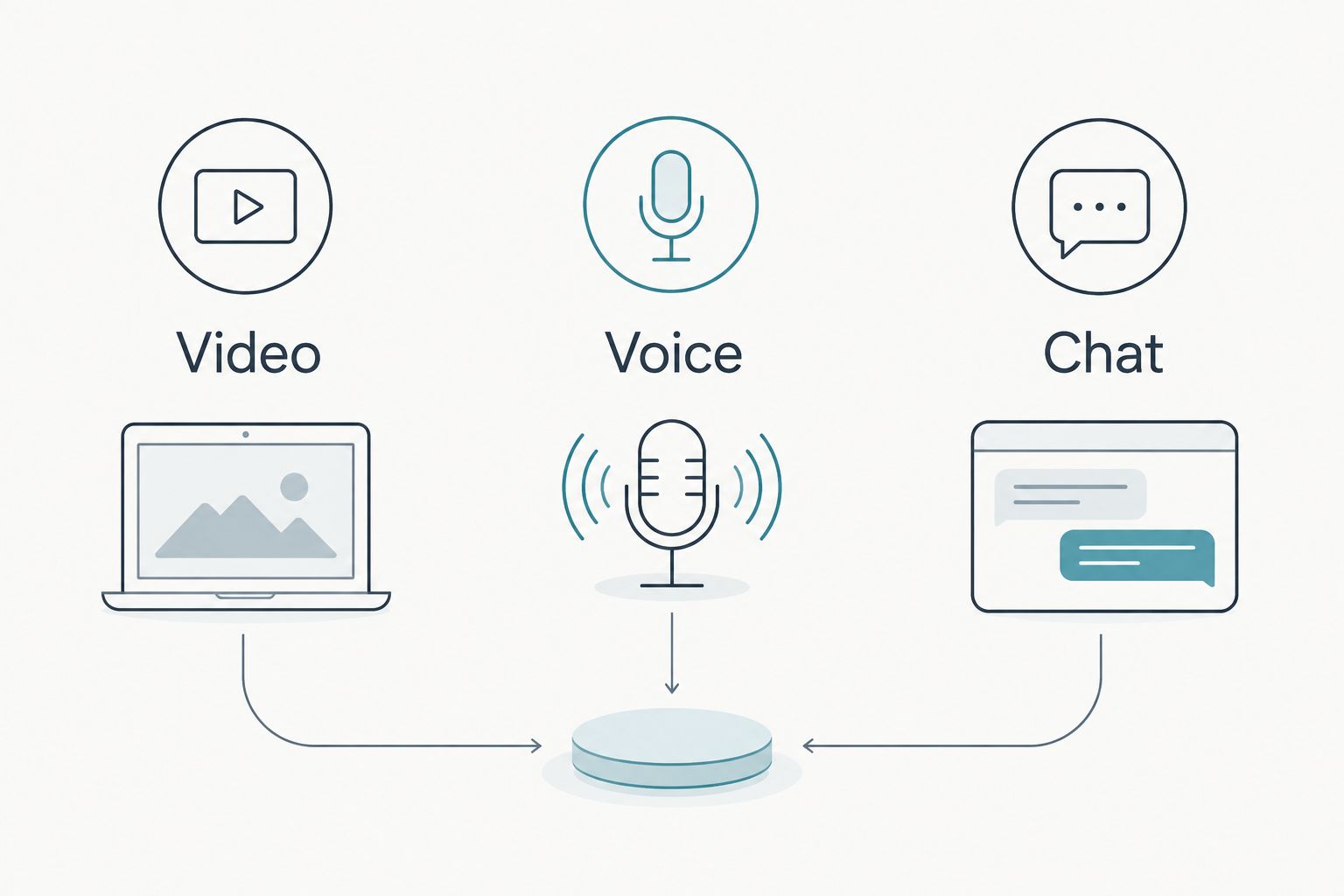
Yes, you can get online therapy in Swahili, and InnerSpark Africa matches you with a licensed therapist who speaks it for video, voice or chat sessions. Availability depends on the day and time you book, since Swahili-speaking therapists are a smaller pool than English or Luganda speakers on the platform. Sessions cover Uganda, Kenya, Tanzania and other African countries, and you can request a Swahili speaker when you book a licensed therapist.
- Online therapy in Swahili is available on InnerSpark Africa through video, voice or chat with a licensed therapist.
- Swahili speakers are matched on request, so slots depend on which therapists are on shift that day.
- Chat sessions are usually easiest to book in Swahili since they don't need a live translator match.
- Sessions serve Uganda, Kenya, Tanzania and other African countries, so dialect and local context vary by therapist.
- Confidentiality applies the same way regardless of the language you choose to speak in.
Why this matters
A lot of people delay therapy because they assume it only happens in English or a colonial-era professional language. That gap keeps Swahili speakers in Kenya, Tanzania and parts of Uganda away from care they'd otherwise use.
Speaking about anxiety, grief or relationship stress in your first language changes how precisely you can describe what's happening. Nuance gets lost in translation, especially with emotional vocabulary that doesn't map cleanly between Swahili and English. A Swahili-speaking therapist on InnerSpark Africa removes that translation tax entirely.
Can you get therapy in Swahili online?
Yes. InnerSpark Africa connects clients with licensed therapists who conduct sessions in Swahili across video, voice and chat formats. You mention your language preference when you request a session, and the platform matches you with a therapist who can hold the full conversation in Swahili rather than switching to English mid-session.
| Format | Swahili availability | Best for |
|---|---|---|
| Video | Matched by therapist schedule | Face-to-face sessions, couples or family work |
| Voice | Matched by therapist schedule | Clients who want privacy without video, or limited data |
| Chat | Widest availability | Quick check-ins, anxious first-timers, low-bandwidth areas |
The table shows the pattern that matters most: chat tends to have the most flexible Swahili coverage because it doesn't require live spoken fluency matching in real time. Video and voice depend on which Swahili-speaking therapist is actually on shift.
Video sessions in Swahili
Video works best when you want to read a therapist's expressions and build the kind of rapport that face-to-face conversation gives you. Best for: couples counseling, family sessions, or anyone who processes emotion better when they can see the person listening. The tradeoff is scheduling: video slots with a Swahili speaker fill faster than chat slots.
Voice sessions in Swahili
Voice-only calls in Swahili suit people who want a real conversation but don't want to be on camera, whether that's about privacy at home, appearance anxiety, or just data usage. Best for: clients juggling shared living spaces or unreliable internet who still want live back-and-forth. It sits in the middle for availability, not as flexible as chat but not as constrained as video.
Chat sessions in Swahili
Text-based sessions in Swahili are the easiest format to book quickly because the therapist can type and read at their own pace, which widens who can take the session. Best for: university students between classes, first-time therapy users who feel nervous about talking out loud, or anyone in a noisy or shared space. It's the lowest-friction way to start if you're unsure whether therapy is for you.
Why Swahili therapist availability varies
A few concrete factors decide whether you get matched with a Swahili speaker on any given day:
- Therapist shift schedule — a specific Swahili-speaking therapist may be off or fully booked when you request a session
- Session format demand — video and voice require a live spoken match, which narrows the pool faster than chat
- Country and dialect — Swahili spoken in Kenya and Tanzania has regional variation from Swahili spoken by some Ugandan clients, and therapists lean toward the dialect they're most fluent in
- Time of day — evening and weekend slots tend to have less availability across every language, Swahili included
- Sensitivity of the topic — some clients specifically want a therapist who shares their cultural background alongside the language, which narrows the match further
- New therapist onboarding — as InnerSpark Africa adds licensed therapists across Uganda, Kenya and Tanzania, Swahili coverage keeps expanding
“Chat is usually the fastest way to get matched with a Swahili speaker because it doesn't need a live spoken slot to open up.”
Can I get therapy in Luganda or other local languages online?
Yes, InnerSpark Africa also matches clients with therapists who speak Luganda and other local languages, following the same request-based process used for Swahili. Availability again depends on which therapists are scheduled that day, so requesting your language preference early in the booking step matters. This is the same matching system across every language the platform supports, not a separate process.
Is online therapy in Swahili confidential?
Yes, confidentiality applies the same way in Swahili sessions as in any other language on InnerSpark Africa. Sessions are private between you and your licensed therapist regardless of whether you're on video, voice or chat, and switching to your first language doesn't change how the session is handled.
How do I request a Swahili-speaking therapist?
You request a Swahili-speaking therapist when you book, and InnerSpark Africa matches you based on who's available in that language and format at the time you ask. If your preferred format is full, chat is worth trying first since it tends to open up fastest. For a full breakdown of what a session runs across formats, the therapy cost guide for Uganda covers that separately.
Book a Swahili-speaking therapist
Request your language preference when you book a licensed therapist.
FAQ
Can I get therapy in Swahili online in 2026?
Yes, InnerSpark Africa matches clients with licensed Swahili-speaking therapists for video, voice or chat sessions in 2026. Request your language preference when you book so the platform can match you accordingly.
Is chat therapy in Swahili as effective as video?
Chat therapy in Swahili works well for check-ins, anxiety and situations where speaking out loud isn't comfortable. Video suits deeper relational work like couples or family sessions, but the format you'll actually use consistently matters more than which one is theoretically 'better'.
Do Swahili-speaking therapists understand Kenyan or Tanzanian context specifically?
Therapists on InnerSpark Africa work across Uganda, Kenya, Tanzania and other African countries, and language matching includes attention to dialect and cultural context where possible. Mentioning your country when you book helps the match.
Can university students book Swahili therapy sessions?
Yes, university students in Kenya, Tanzania and Uganda can book Swahili sessions the same way any client does, choosing video, voice or chat. Chat sessions are often the most practical fit around a class schedule.
Can I switch from Swahili to English mid-session?
Yes, you can switch languages mid-session if that's more comfortable, since the therapist adapts to how you're communicating. Most clients who request Swahili stay in it for the full session because that's the point of requesting it.
Are Swahili therapy sessions private and confidential?
Yes, confidentiality on InnerSpark Africa applies identically whether the session runs in Swahili, English or Luganda. The language you speak in doesn't change how your session is handled.
What if no Swahili-speaking therapist is available when I want to book?
Try chat first, since it typically has the widest Swahili availability, or check a different time of day. Swahili coverage keeps expanding as InnerSpark Africa onboards more licensed therapists across Kenya, Tanzania and Uganda.
Is online therapy in Swahili suitable for teenagers?
Parents and guardians can request Swahili-speaking therapists for teenagers, matched the same way as adult sessions across video, voice or chat. The format choice usually depends on what makes the teenager most comfortable opening up.
One last thing
Chat is the format most people overlook, but it's the one most likely to get you matched with a Swahili speaker fastest in 2026, since it doesn't depend on a live spoken slot opening up. If your first request for video or voice in Swahili comes back with no immediate opening, switch to chat rather than waiting — you'll usually be talking to someone within the same day.