
Feeling worse in the first few weeks of therapy is common and usually temporary — it happens because sessions ask you to name feelings and memories you have spent years avoiding, and that surfacing process is uncomfortable before it is relieving. The discomfort is not a sign therapy is failing; it is a sign the work has actually started. What it does not excuse is a therapist who leaves you feeling worse and unheard, unsafe, or dismissed session after session — that pattern is a fit problem, not a normal phase.
- Feeling worse after starting therapy is normal for most people in the first 3-6 sessions as buried emotions surface.
- Naming old pain, breaking coping patterns and building new skills all cause a short dip before things improve.
- A licensed therapist through InnerSpark Africa can help you tell normal discomfort apart from a bad therapist fit.
- If low mood, anxiety or sleep get worse and stay worse past several weeks, tell your therapist directly.
Why this matters
People quit therapy in the first month more often than any other point in treatment, and the reason is usually this exact discomfort — they mistake the dip for proof it is not working and stop before the relief phase arrives. Knowing this ahead of time changes how you react to a hard session: instead of quitting, you can bring the feeling to your therapist and use it as material. Book a licensed therapist through InnerSpark Africa and you can raise this exact question in your first session — a good therapist expects it and will walk you through what to expect in 2026.
Is it normal to feel worse after starting therapy?
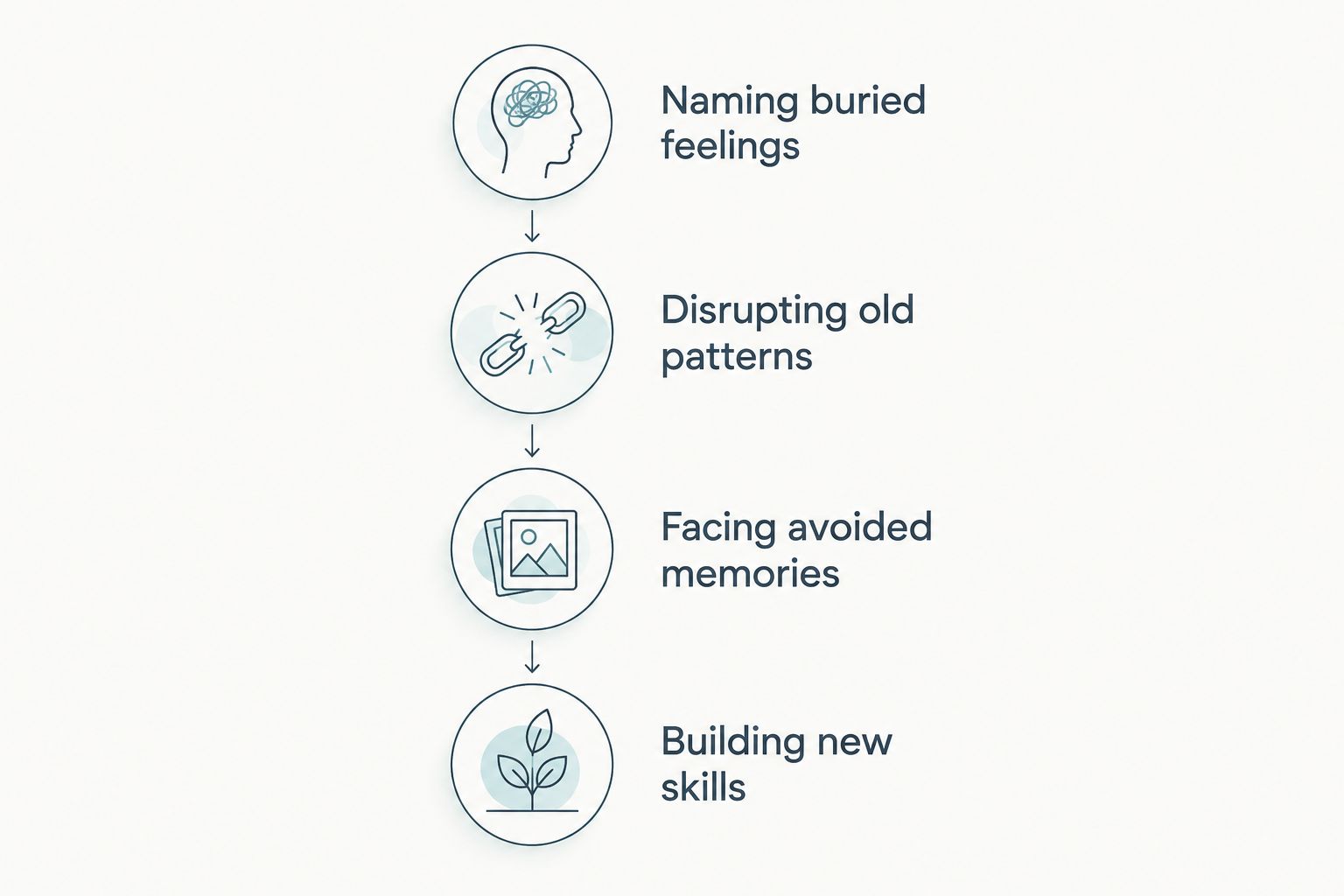
Yes. Clinicians describe this as an expected part of early treatment, not a red flag on its own. Three things typically happen in the first few sessions that explain the dip:
| What happens | Why it feels worse | What it usually leads to |
|---|---|---|
| Naming buried feelings | Grief, anger or shame you avoided now has words | Reduced avoidance over weeks |
| Disrupting coping patterns | Old habits (numbing, avoiding, people-pleasing) get interrupted before new ones form | Space for healthier coping |
| Talking through trauma or loss | Retelling painful memories briefly reactivates the emotion | Less charge on the memory over time |
The dip is usually sharpest in sessions two through four and starts easing once you and your therapist have built a working relationship and a plan. If the low feeling is still climbing rather than leveling off by session six or seven, that is worth naming out loud in your next appointment.
When the discomfort is not normal
A few signs point away from "normal adjustment" and toward a mismatch or something more serious:
- You feel dismissed, judged, or unheard rather than uncomfortable
- Thoughts of self-harm appear or intensify
- Sleep, appetite or work function keep declining past a month with no plateau
- You dread sessions out of fear of the therapist's reaction, not the topic itself
Any of these is a reason to talk to your therapist directly or, if the relationship itself feels wrong, switch to a different licensed therapist rather than stop therapy altogether.
Why it happens: the drivers behind the early dip
- Naming feelings you have been managing by not naming them. Once something has a label, it is harder to avoid, and that is uncomfortable before it is useful.
- Old coping patterns get interrupted before new ones are built. If avoidance, overworking or numbing has been your coping tool, therapy asks you to sit with the discomfort those tools were covering.
- Trauma-focused work briefly reactivates the memory. Talking through a hard event, even carefully, can raise its emotional intensity for a day or two before it settles.
- A new relationship takes adjustment. Trusting a stranger with private information is itself stressful in the early sessions, separate from the content you're discussing.
- Homework and practice between sessions surface things you were avoiding. Journaling prompts or exposure exercises can bring feelings up outside the session too.
- Fit mismatch. Sometimes the discomfort is not the process working — it's the wrong therapist, wrong approach, or wrong pace for you, and that needs a change, not patience.
How long does it take to feel better after starting therapy?
Most people notice the early dip easing somewhere between session four and session eight, once the therapist has a clearer picture of the problem and a plan is in place. Progress is rarely a straight line even after that point — a hard week can bring a temporary dip back, especially around a stressful event or anniversary. If nothing has shifted after two months of consistent sessions, that is the point to raise a change of approach or therapist with whoever you're seeing.
Should I stop therapy if I feel worse?
Stopping is rarely the right first move — telling your therapist what you're feeling almost always is. A licensed therapist can adjust pace, technique or focus once they know the dip is happening, and that conversation alone often relieves some of the pressure. Quitting during the discomfort phase means missing the part of the process the discomfort was building toward.
Is this a sign my therapist is wrong for me?
Not on its own — discomfort from doing the work and discomfort from a bad fit feel different once you know what to look for. Feeling challenged but respected points to normal adjustment; feeling judged, rushed or unheard points to fit. If it's the second one, switching to another licensed therapist is a reasonable next step, not a failure of therapy itself.
Talk to a licensed therapist this week
Book a video, voice or chat session and raise this directly in your first appointment.
InnerSpark Africa connects people across Uganda, Kenya and Tanzania with licensed therapists who understand the local context — so a session where you say "I feel worse than before I started" is met with a plan, not confusion. Sessions run by video, voice or chat, which matters if talking about the discomfort out loud feels harder than typing it.
FAQ
Is it normal to feel worse after starting therapy?
Yes, feeling worse in the first few sessions is common because therapy surfaces feelings and memories you have been avoiding. It usually eases within a few weeks as you and your therapist build a plan and a working relationship.
How long does it take to feel better after starting therapy?
Most people notice relief between session four and session eight, though progress rarely moves in a straight line. A hard week or a stressful event can bring the dip back temporarily even after things have improved.
Should I quit therapy if I feel worse?
Quitting is rarely the right first move; telling your therapist directly usually is. They can adjust pace or approach once they know the dip is happening, which often eases the pressure faster than stopping altogether.
Can therapy make anxiety worse before it gets better?
Yes, naming and discussing anxious thoughts can briefly increase anxiety before techniques to manage it take hold. This is a known part of the early adjustment period for many people, not a sign the approach is wrong.
Is it normal to cry a lot after a therapy session?
Crying after a session is common, especially in the first few weeks when emotions that were buried get named for the first time. It usually settles as sessions continue and rarely means something has gone wrong.
How do I tell my therapist I'm feeling worse since starting?
Say it plainly at the start of your next session: name what feels worse and since when. A licensed therapist expects this conversation and will use it to adjust the plan rather than take it as criticism.
What if I feel worse after talking about trauma in therapy?
A short spike in distress after discussing a difficult memory is common and usually settles within a day or two. If it doesn't settle or intensifies over several sessions, tell your therapist so the pace or method can change.
Is feeling worse a sign my therapist is a bad fit?
Not by itself — discomfort from doing hard emotional work is different from feeling dismissed or unheard. If you feel judged or rushed rather than challenged, that points to fit and switching therapists is reasonable.
One last thing
The sessions people remember as turning points are almost never the comfortable ones — they're usually the sessions right after the dip, once something that was buried finally got said out loud. If you're in that uncomfortable stretch right now, that's not a sign to stop; it's usually a sign you're close to the part that helps. A licensed therapist can also walk you through what a session typically costs in Uganda so budget isn't the reason you pause right when things are starting to shift.