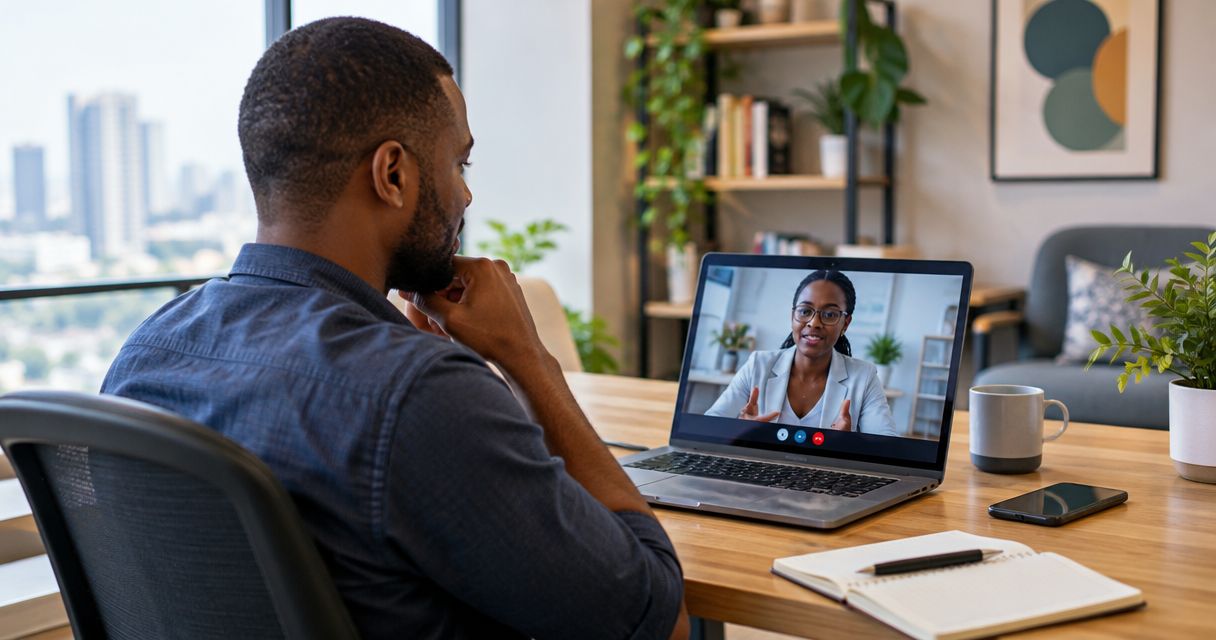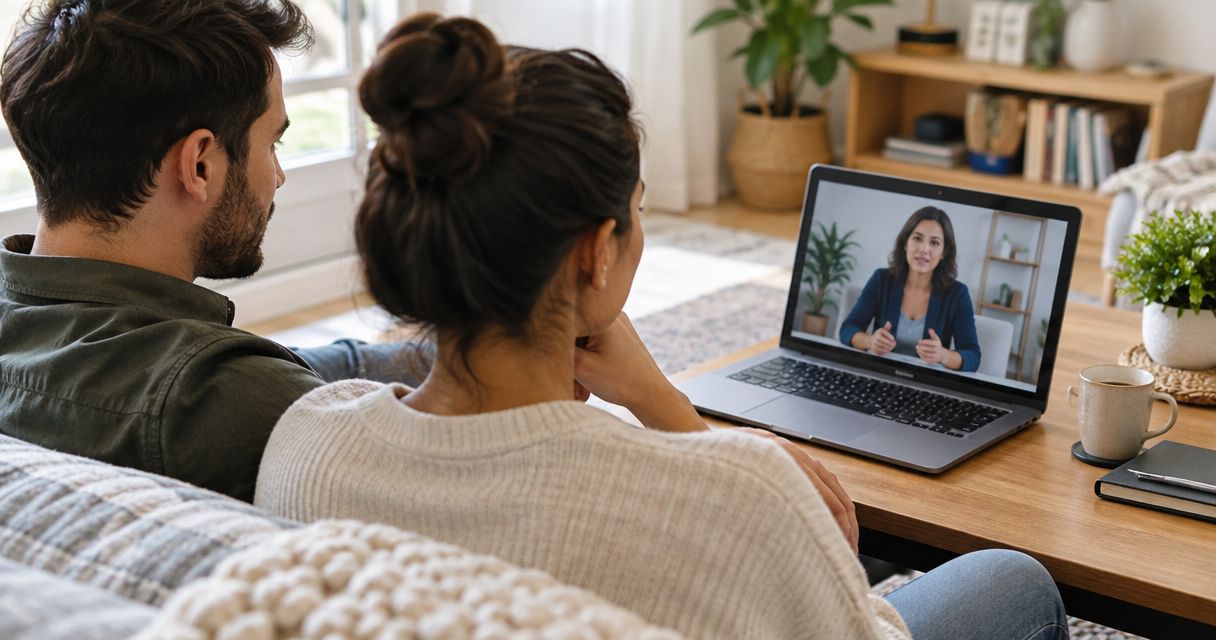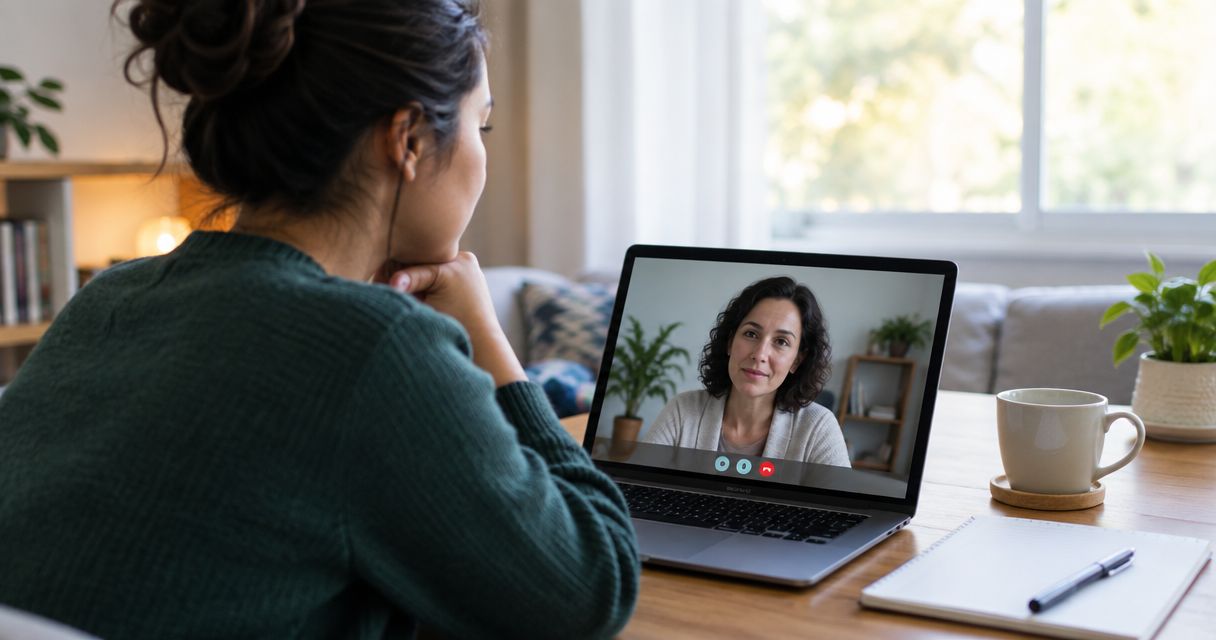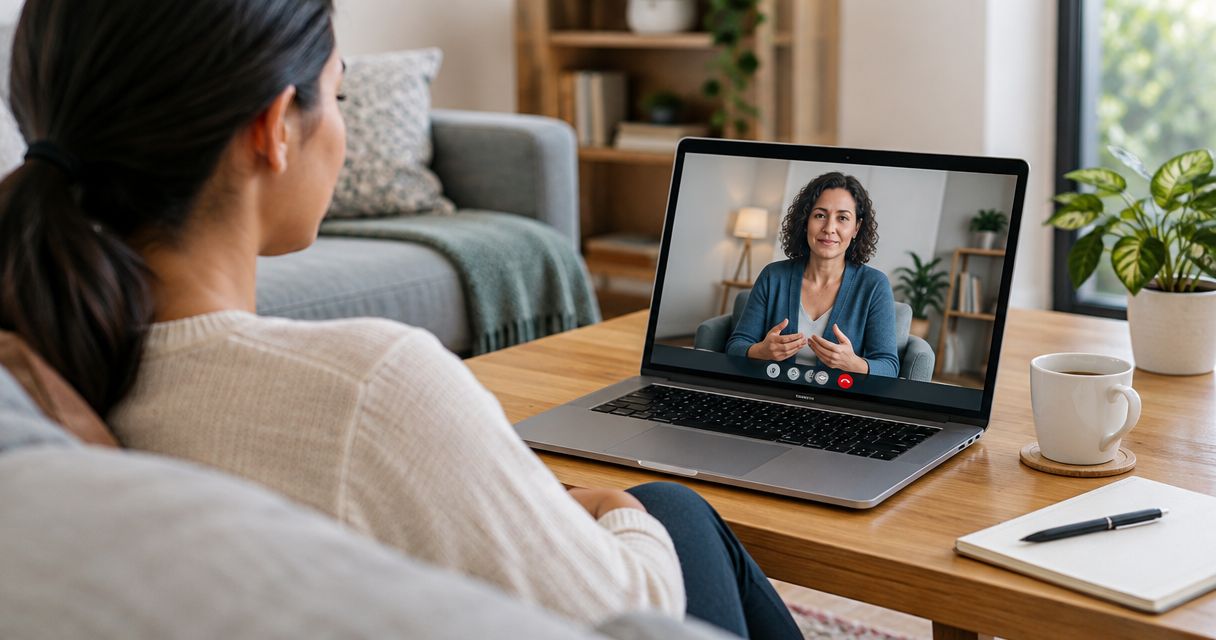
Online therapy is as effective as in-person therapy for most of the reasons people seek a therapist in the first place — anxiety, depression, stress, grief, and relationship strain. The exception is a genuine crisis: active psychosis, high suicide risk, or a condition needing a physical exam, where in-person or emergency care is the safer route. For everyday mental health support, video, voice, and chat sessions with a licensed therapist produce results on par with sitting across from someone in an office, as long as sessions happen consistently.
- Online therapy matches in-person therapy for anxiety, depression and stress, based on telehealth research spanning the past two decades.
- In-person care stays the safer default for active crisis, psychosis or cases needing a physical exam.
- InnerSpark Africa connects people in Uganda, Kenya and Tanzania with licensed therapists by video, voice or chat, bookable in about two minutes.
- Format matters less than consistency — sessions you actually attend beat any single delivery method.
Why this matters
Access is the real barrier to mental health care across Uganda, Kenya, and Tanzania — not whether a session happens on a screen or a couch. Long distances to licensed therapists, limited clinic hours, and the stigma of being seen walking into a mental health office keep many people from ever starting therapy, and that hasn't changed much heading into 2026.
Platforms like InnerSpark Africa remove those specific frictions: you book a licensed therapist from your phone, choose video, voice or chat, and talk from wherever you have privacy. The real question isn't whether therapy works once it moves online — it's whether the format itself changes the outcome. Mostly, it doesn't.
Is online therapy as effective as in-person therapy?
Yes, for the concerns most people bring to therapy. Studies comparing teletherapy to face-to-face sessions for anxiety, depression, and stress have consistently found no meaningful difference in outcomes when the therapist is licensed and sessions happen on a regular schedule. In 2026, that finding still holds — the delivery method is a logistics choice, not a treatment variable.
What actually moves the needle is therapist skill, the fit between client and therapist, and whether you keep showing up. Here's how the two formats compare on the factors that matter:
| Factor | Online therapy | In-person therapy |
|---|---|---|
| Access | Book from anywhere with data or Mobile Money, no travel required | Limited by clinic hours and distance |
| Privacy | Session happens wherever you have privacy, no waiting room | Waiting room visibility can deter first-time clients |
| Local language and cultural fit | Match with a therapist who understands the local context and speaks your language | Same benefit, limited to whoever practices nearby |
| Best for | Anxiety, depression, stress, relationship and student concerns | Severe crisis, psychosis, cases needing a physical exam |
| Consistency | Easier to keep appointments around work or class schedules | Missed sessions from travel or clinic closures are common |
Verdict: for anxiety, depression, stress, and relationship concerns, InnerSpark Africa's online therapy performs on par with in-person sessions for people in Uganda, Kenya, and Tanzania — the deciding factor is showing up consistently, not the screen.
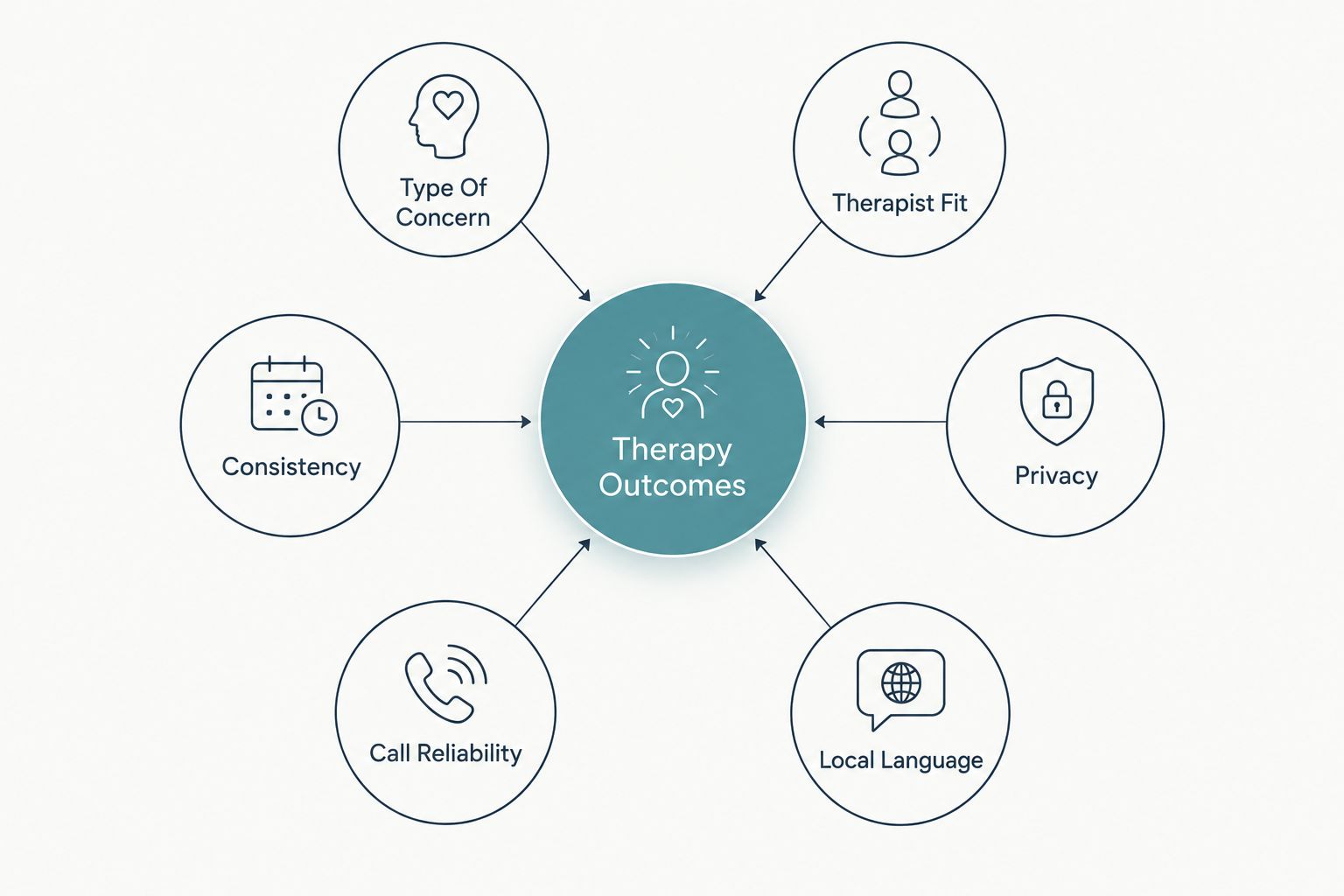
Why online therapy works as well as face-to-face sessions
- The type of concern. Anxiety, depression, stress, grief, and relationship issues respond well to talk therapy regardless of format; conditions needing medication management or physical assessment need in-person or hybrid care.
- Therapist licensing and fit. A licensed therapist trained in evidence-based approaches delivers the same techniques on a video call or across a desk — the credential matters more than the medium.
- Consistency of sessions. Therapy attended weekly and regularly produces better results than sporadic sessions in any format, and booking that takes about two minutes removes a common excuse to skip.
- Privacy at home. Some clients open up faster from a private room at home than in a clinic waiting room where a neighbor or classmate might see them.
- Call reliability. A dropped video call mid-session can interrupt momentum — chat or voice sessions are a practical fallback where internet or data is unreliable.
- Local language and context. A therapist who understands the local context and speaks your language builds trust faster, whether that happens over a screen or in an office.
Is online therapy as effective for anxiety and depression as in-person therapy?
Yes — anxiety and depression are the two concerns most consistently studied in telehealth research, and both show outcomes similar to in-person cognitive behavioral therapy. What matters most is that the therapist uses a structured approach and that you attend regularly, not whether the session happens on a screen.
Is video therapy better than chat therapy?
Video therapy is generally closer to the connection you'd get in person, since it carries tone of voice and facial expression that build rapport faster. Chat therapy works well for people who process thoughts better in writing, need complete privacy, or have unreliable video calls — InnerSpark Africa offers video, voice, and chat so you can pick what you'll actually use consistently.
Who should choose in-person therapy over online therapy?
In-person therapy is the better choice during an active mental health crisis, psychosis, or when a physical exam is needed alongside psychological care. For everyday anxiety, stress, depression, and relationship concerns, online sessions with a licensed therapist are a reasonable and often more consistent choice in 2026, when data and Mobile Money access have made booking simpler across East Africa.
Book a licensed therapist online
Video, voice or chat sessions with therapists who know the local context.
FAQ
Is online therapy as effective as in-person therapy for anxiety?
Online therapy is as effective as in-person therapy for anxiety when the therapist is licensed and sessions happen consistently, based on telehealth research spanning the past two decades. The screen doesn't change the technique — talk therapy methods translate directly to video, voice, or chat.
Can online therapy help with depression as much as face-to-face sessions?
Yes, for mild to moderate depression, online therapy produces outcomes comparable to in-person sessions when paired with a licensed therapist and regular attendance. Severe depression with safety risk needs in-person or crisis-level care instead.
Is chat therapy as effective as video therapy?
Chat therapy works well for people who prefer writing out their thoughts or need full privacy, though video therapy generally builds rapport faster through tone and expression. InnerSpark Africa offers video, voice, and chat so you can match the format to how you communicate best.
How much does online therapy cost in Uganda?
Costs vary by session length and therapist, and pricing on InnerSpark Africa is set for African incomes with Mobile Money and card payment options. Check the current cost breakdown for exact figures before booking.
Is online therapy confidential?
Online therapy sessions with a licensed therapist are confidential under the same professional and ethical standards as in-person sessions. Video and voice calls happen through private, one-to-one connections, not group platforms.
How long does it take to book an online therapist in Uganda, Kenya or Tanzania?
Booking a licensed therapist on InnerSpark Africa takes about two minutes, choosing your therapist and preferred format before the session starts. No referral or clinic visit is required first.
Does online therapy work if my internet is unreliable?
Chat or voice sessions are a practical option if video calls keep dropping, since they need far less bandwidth. Switching formats mid-course with the same therapist is common and doesn't reduce treatment quality.
Who shouldn't use online therapy?
Anyone in active crisis, experiencing psychosis, or needing a physical exam alongside psychological care should seek in-person or emergency services instead of online therapy. For everyday anxiety, depression, stress, and relationship concerns, online sessions with a licensed therapist are appropriate.
One last thing
The format debate matters less than most people think — what predicts outcome in therapy research, online or in-person, is the strength of the relationship between client and therapist. If your first session with a therapist on InnerSpark Africa doesn't feel right in 2026, switching therapists costs you nothing but a message on WhatsApp, and that's normal — the platform exists precisely so you can find the right fit without repeating a clinic visit to do it in person.