Online therapy is safe for most of what brings people to a licensed therapist in 2026 — anxiety, depression, grief, stress, relationship strain. It is not built to handle a crisis where someone's life is in danger right now. If you or someone you love has a plan and the means to act on it, the safe move is a hospital or local emergency services, not a scheduled video call.
- Online therapy is safe for most mental health concerns, not for an active suicide crisis.
- Active danger to life needs an emergency room or local emergency services first, therapy second.
- InnerSpark Africa connects you with licensed therapists in Uganda, Kenya and Tanzania once you're safe.
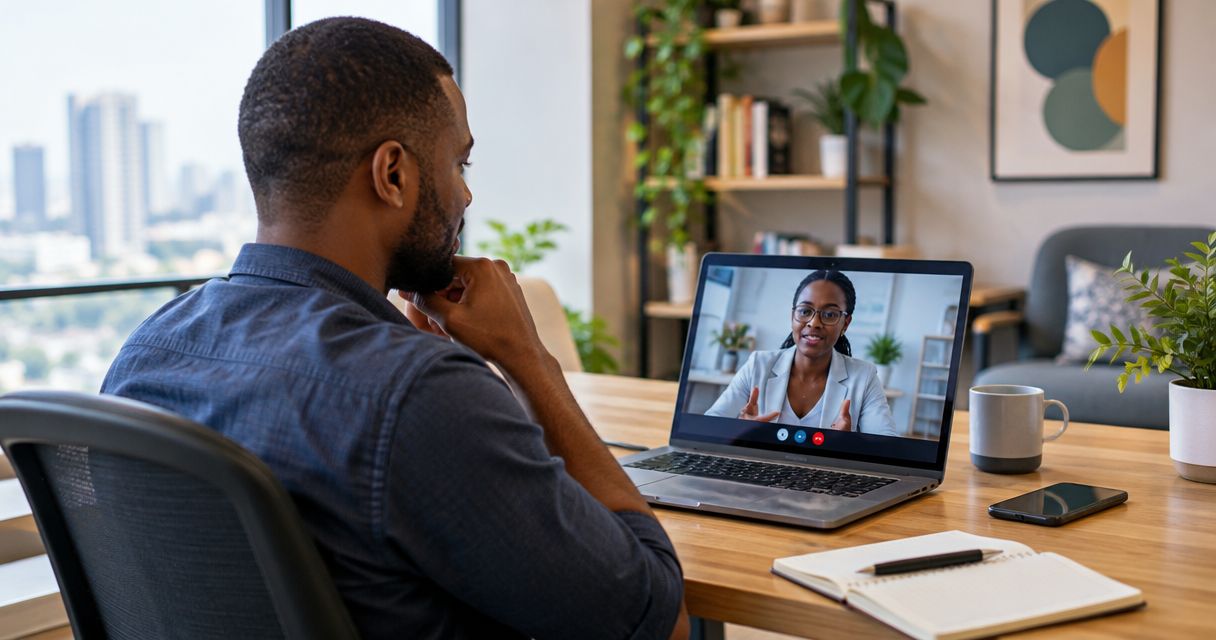
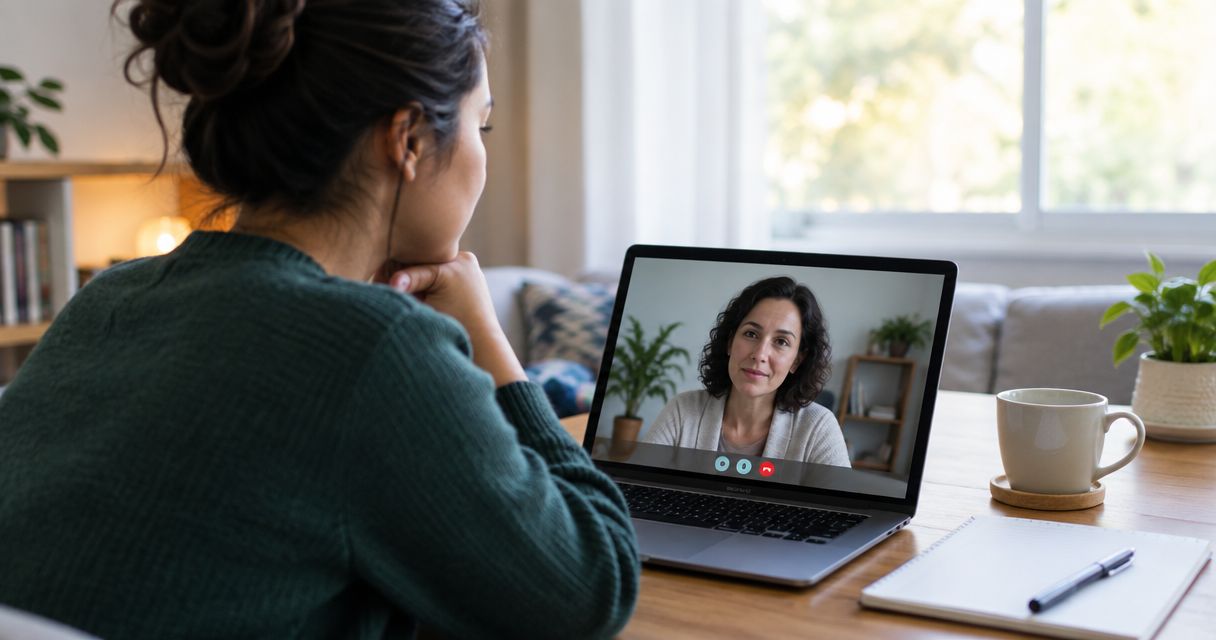
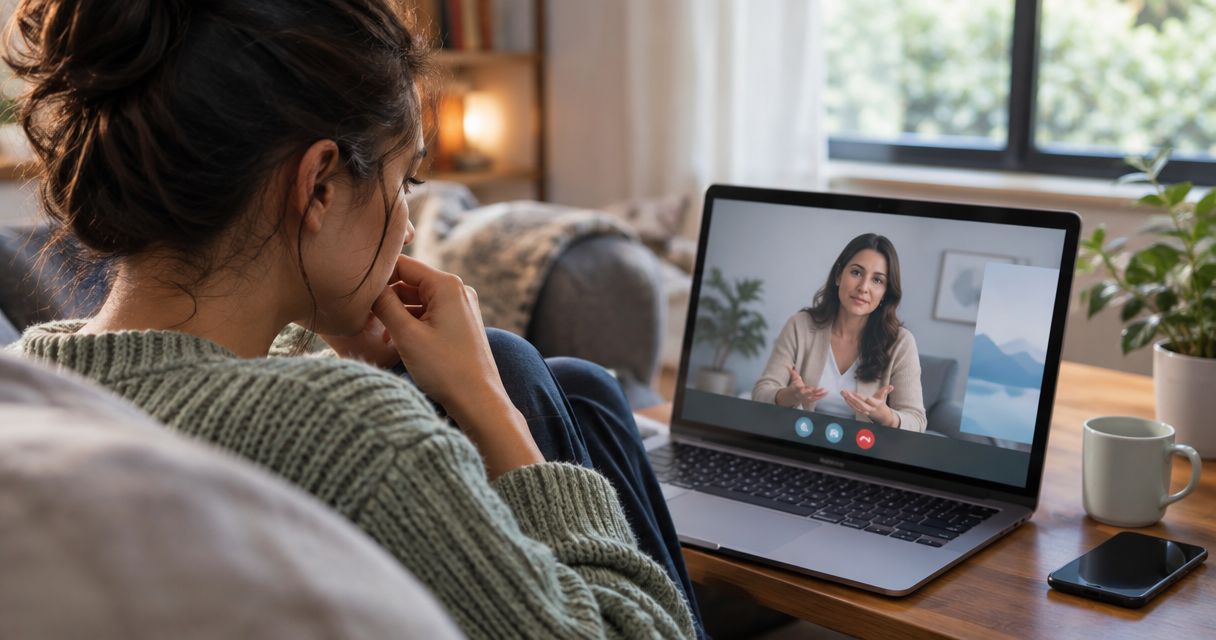
- Video sessions let a therapist read distress signs that chat and voice calls can miss.
Why this matters
Mental health crises move fast and don't wait for an appointment slot. Someone who seems okay at breakfast can be in real danger by dinner, and a therapy session booked for tomorrow does nothing for a crisis happening tonight.
InnerSpark Africa and platforms like it are built for ongoing care: weekly sessions, a therapist who learns your history over time, follow-up between calls. None of that replaces an emergency room, a crisis team, or a call to local emergency services when someone's safety is at risk right now. The real danger isn't in the therapy itself — it's in the gap between what a person needs at 2am and what a scheduled video call can actually deliver in that moment.
A parent noticing a teenager withdraw, stop eating, or talk about not wanting to be here is facing this same gap. Ongoing support helps with the pattern; a specific statement about ending their life is not a wait-until-Monday situation.
Is online therapy safe for a mental health crisis?
Yes, for the situations most people actually bring to therapy — and no, for an active crisis where someone's life is in immediate danger. Online therapy in 2026 is safe, private and effective for anxiety, depression, grief, burnout, relationship conflict and everyday stress when a licensed therapist runs the session. It stops being the safe option the moment a person has a specific plan and the means to harm themselves or someone else, because at that point the priority is medical and physical safety, not a conversation.
The table below breaks down where each option actually fits.
| Situation | Best option | Why |
|---|---|---|
| Ongoing anxiety, depression or stress | Online therapy (video, voice or chat) | A licensed therapist works with you weekly, no travel or waiting room |
| Suicidal thoughts with a plan and the means to act | Emergency room or local emergency services | Immediate medical and safety response beats a scheduled session |
| Panic attack with no danger to life | Online therapy, video preferred | A therapist can watch your breathing and talk you through it live |
| Feeling low but physically safe | Online therapy, chat or voice | Private, lower-pressure way to process what's going on |
| Psychosis or loss of touch with reality | Emergency room or a family member who can get you there | Needs medical assessment a video call can't provide |
When online therapy works well
Online therapy earns its reputation in the situations that make up most of a therapist's actual caseload — not crisis intervention, but the steady, ongoing work of feeling better week over week. It fits:
- University students dealing with exam stress, homesickness or a rough semester
- Adults managing anxiety, low mood or burnout that hasn't reached crisis level
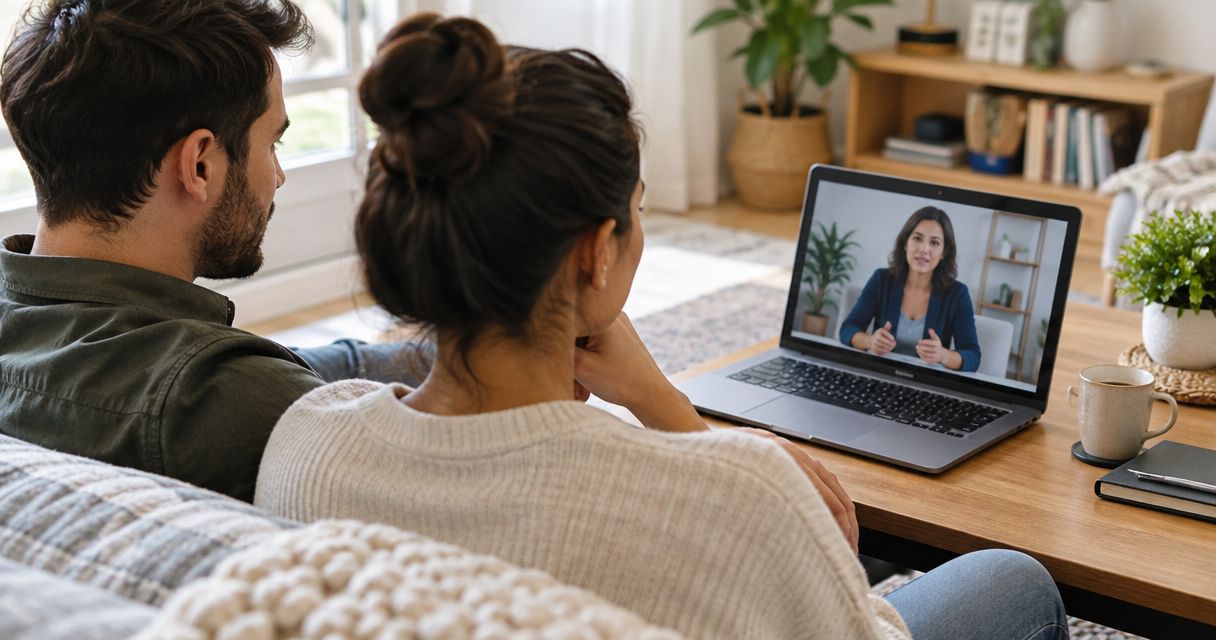
- Couples working through communication breakdowns or trust issues
- Parents or guardians looking for support around a teenager's mood swings or withdrawal
- Anyone who wants a private, judgement-free space to talk without traveling to an office
InnerSpark Africa connects people in Uganda, Kenya, Tanzania and other African countries with licensed therapists for exactly this kind of ongoing support, by video, voice or chat. Therapists on the platform understand the local context and languages, which matters more than it sounds — a therapist who needs the culture explained to them mid-session isn't fully present for the actual problem. Current session pricing and payment options, including Mobile Money, are covered in the therapy cost in Uganda guide.
InnerSpark Africa's licensed therapists are a solid fit for the ongoing work — anxiety, depression, stress, relationship strain — once immediate danger has passed, not for the crisis itself.
When you need in-person or emergency care instead
Some situations need a body in the room, not a camera. These signs mean therapy — online or in-person — isn't the right first step:
- A specific plan to end your life and access to the means to carry it out
- Thoughts of seriously harming someone else
- Psychosis with a safety risk — hearing voices telling you to act, or severe confusion about what's real
- A drug or alcohol overdose, even if the person seems conscious and talking
- Self-harm serious enough to need medical treatment, like heavy bleeding or loss of consciousness
None of these are things a video call, a chat window or a voice session can manage the way an emergency room, a crisis response team or local police can. That's the line: a plan plus the means to act means an emergency room, not a therapy booking. Get to a hospital, call your country's emergency number, or get the person there — then book a therapy session for the ongoing work once the immediate danger has passed.
“If a plan and the means to act are both present, that's an emergency room, not a therapy booking.”
What a trustworthy online therapy platform shows you before you book
A handful of details separate a platform that's thought about safety from one that hasn't. Look for:
- Named, licensed therapists with visible credentials, not anonymous "counselors"
- A clear statement of what the platform is built for, and what it isn't
- Confidentiality explained in plain language before your first session
- Local languages and cultural context, so you're not explaining Uganda to someone in another time zone
- Straightforward booking and payment, including Mobile Money, so cost isn't a barrier
Run through this list before committing to any platform. One that hides this information, or buries it, hasn't thought carefully about what happens when a session gets heavy.
What to expect in a first online therapy session
A licensed therapist typically opens a first session with questions about your background, current stressors, and safety — not because something is wrong, but because it's standard practice for responsible care. Expect questions like whether you've had thoughts of harming yourself, whether you feel safe at home, and what support you have around you.
None of this is a clinical trap. It's the same groundwork an in-person therapist would cover, adapted for video, voice or chat. If a therapist skips this step entirely, that's worth noticing — it's one of the simplest signs of how seriously a platform treats safety in 2026.
Book a licensed therapist once you're safe
Video, voice or chat sessions with therapists across Uganda, Kenya and Tanzania.
Why online therapy safety varies from platform to platform
Not every service calling itself "online therapy" works the same way, and the differences decide how safe it actually is when things get hard. A handful of factors do most of the work:
- Whether the therapist is actually licensed and trained to ask about safety, not just credentialed on paper
- Whether the format is video, voice or chat — video lets a therapist read tone and body language that text can't carry
- How reliable the internet connection or Mobile Money-based booking is where the client is sitting
- Whether the platform screens for risk before matching a client with a therapist
- What local emergency infrastructure looks like — a hospital minutes from a city center is a different reality from a rural district with none nearby
- How clearly the platform states, before you book, what it is and isn't built to handle
A client in Kampala with reliable internet and a nearby hospital is in a different safety position than someone in a rural area with neither. Platform quality matters, but geography still shapes what's realistic in a genuine emergency.
Related questions about therapy and crisis safety
What should I do if I'm having suicidal thoughts right now?
If you're having suicidal thoughts right now, especially with a plan or the means to act, go to the nearest emergency room or call your country's emergency number immediately — this isn't a wait-for-your-next-session situation. Tell someone near you what's happening so you aren't managing it alone while help is on the way. Once you're safe and stable, that's the point to book an ongoing therapy session to work through what led there.
Can an online therapist call emergency services during a session?
A licensed therapist can flag a crisis during a session and will usually ask you, or someone with you, to contact local emergency services directly, because they aren't physically present to dispatch help themselves. Some platforms build an escalation step into their booking process; ask before your first session if you're unsure how a given service handles it. Either way, a therapist noticing the danger doesn't replace someone getting to a hospital.
Is chat therapy safe for a mental health crisis, or only video?
Chat therapy is the least safe format for anything crisis-adjacent, because a therapist can't hear your tone or see your face to judge how serious the moment actually is. Video is the safer format when things feel heavy, since it carries the signals text strips out. Chat and voice sessions work well for the ongoing, lower-risk conversations that make up most of therapy.
Is online therapy safe for a teenager showing signs of crisis?
Online therapy is safe for a teenager dealing with anxiety, low mood or family conflict, with a parent or guardian involved in booking and consent. It stops being the right first step the moment a teenager talks about a plan to end their life or shows signs of serious self-harm — that calls for a same-day visit to a hospital or a school counselor trained for immediate response, not a scheduled call.
FAQ
Is online therapy safe for a mental health crisis in 2026?
Online therapy is safe for most mental health concerns in 2026, but not for an active crisis where someone's life is in immediate danger. In that situation, an emergency room or local emergency services come first.
What counts as a mental health crisis versus a hard day?
A mental health crisis usually involves a plan or means to harm yourself or someone else, or a loss of touch with reality that puts safety at risk. A hard day — feeling low, anxious or overwhelmed — is exactly what online therapy is built for.
Can I use InnerSpark Africa if I'm in crisis?
InnerSpark Africa's licensed therapists in Uganda, Kenya and Tanzania are built for ongoing mental health support, not emergency response. If you're in immediate danger, contact emergency services first and book a therapy session once you're safe.
Is video therapy safer than chat therapy during a hard moment?
Video therapy is safer than chat during a hard moment because the therapist can see your face and hear your tone, both of which signal how serious things are. Chat works well for lower-risk, ongoing sessions.
How do I know if a therapist is licensed before I book?
A licensed therapist should be able to name their professional credentials and training when asked, and a legitimate platform will state this upfront rather than leave it vague. InnerSpark Africa matches users with licensed therapists across Uganda, Kenya and Tanzania.
Should a university student use online therapy for exam stress or a crisis?
Online therapy works well for exam stress, homesickness and academic pressure, which is where most university students land. A crisis — a plan to self-harm, for instance — needs a campus counselor, hospital or emergency line, not a scheduled call.
Is online therapy confidential?
Online therapy sessions with a licensed therapist are confidential, covered by the same professional standards as in-person sessions. Confidentiality has limits when there's an immediate risk to life, which any licensed therapist explains before your first session.
One last thing
The clearest sign a platform takes safety seriously isn't a crisis banner on the homepage — it's a therapist who asks about safety at the start of every session, not just the first one. Ask a prospective therapist directly whether that's their practice; a real answer, not a vague one, tells you more about how they'd handle a hard moment than any policy page. In 2026, that one habit does more for client safety than most written protocols.